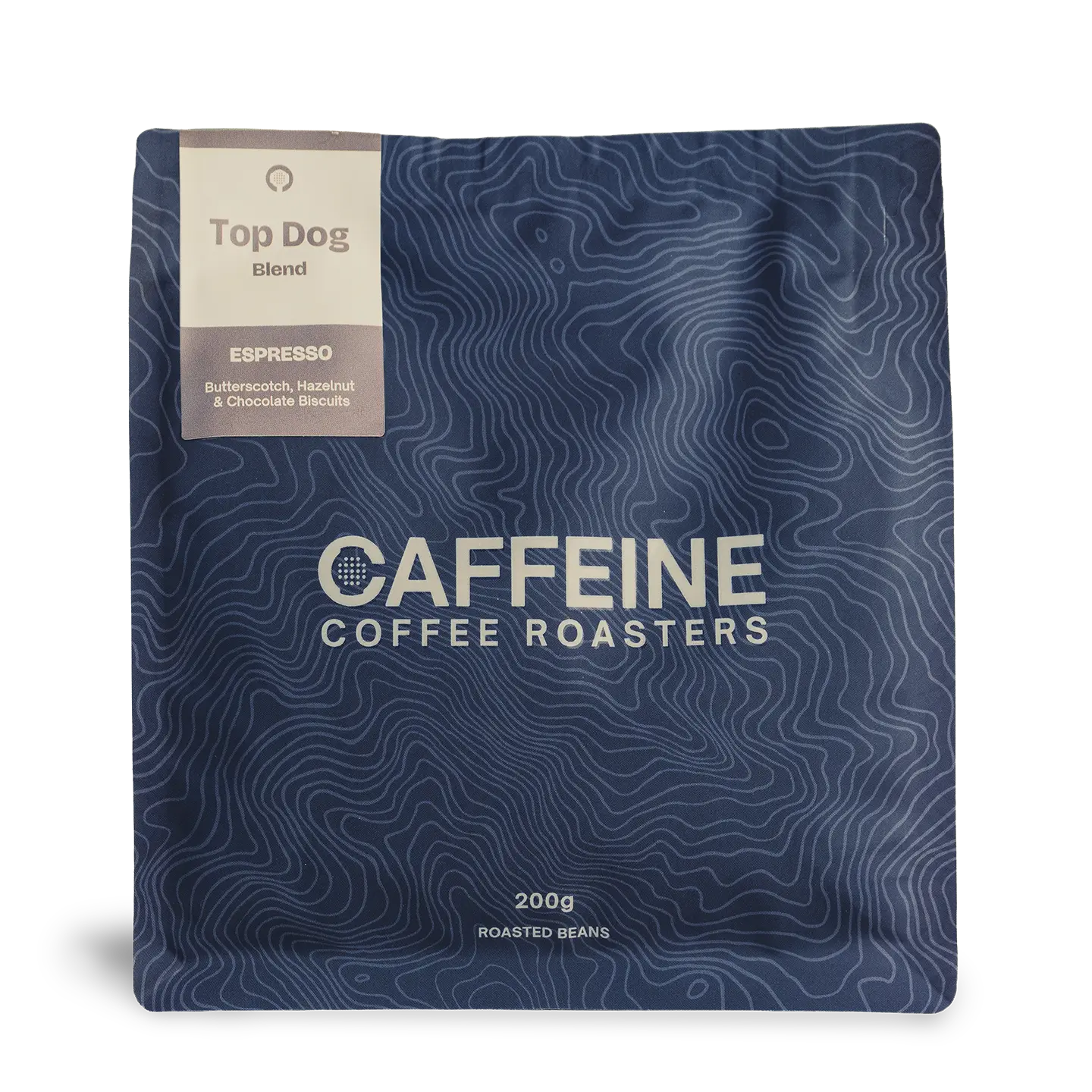
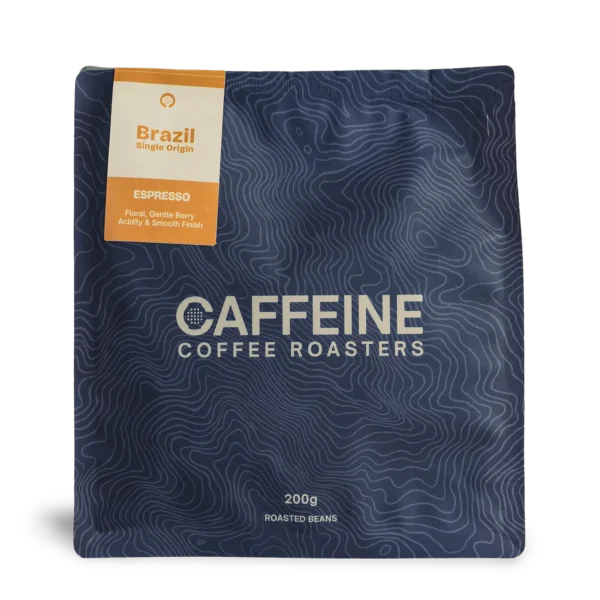
200g Beans
upto 1300 MASL
£12.95
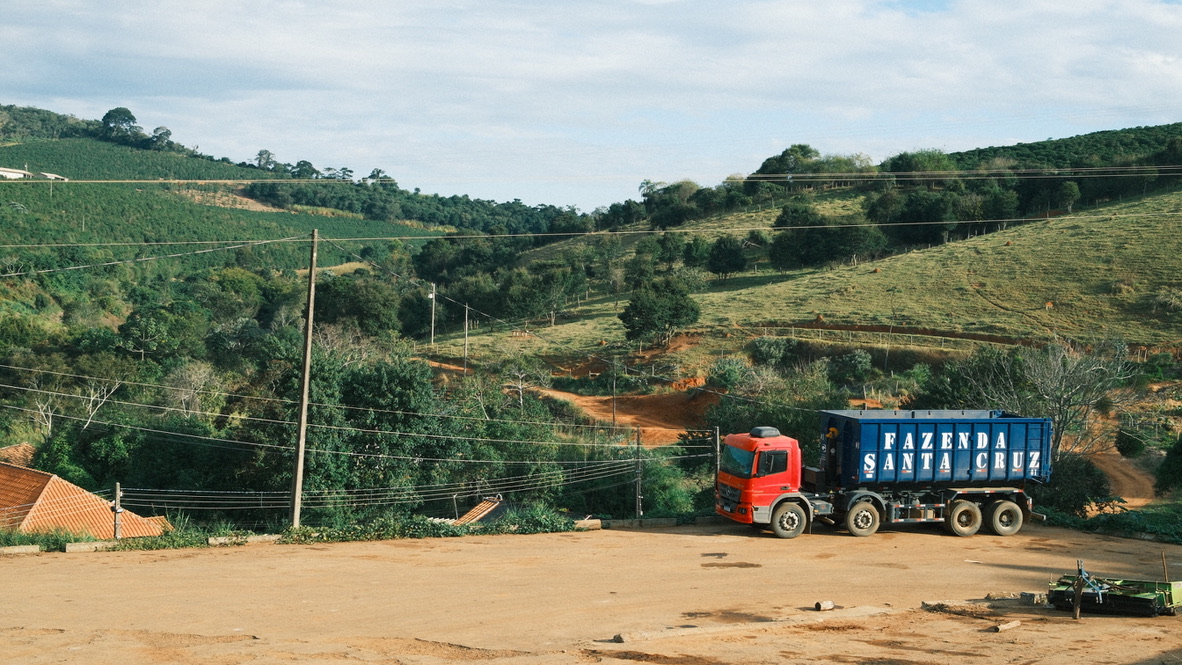
Fortaleza Farm is located in one of the most respected coffee-growing regions in the world, and one of the most demanding: the altitude and climate mean nothing gets to hide. Poor processing shows up in the cup immediately.
Most bags of coffee tell you where it’s from. Country. Maybe a region, if you’re lucky. Almost none tell you who grew it.
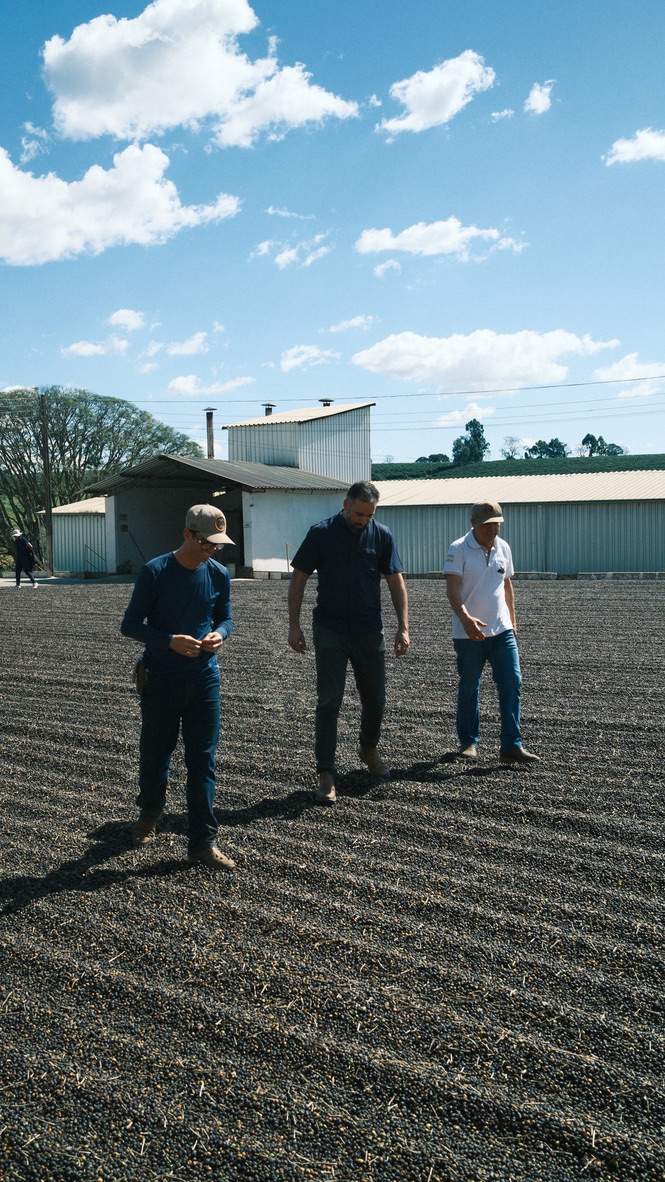
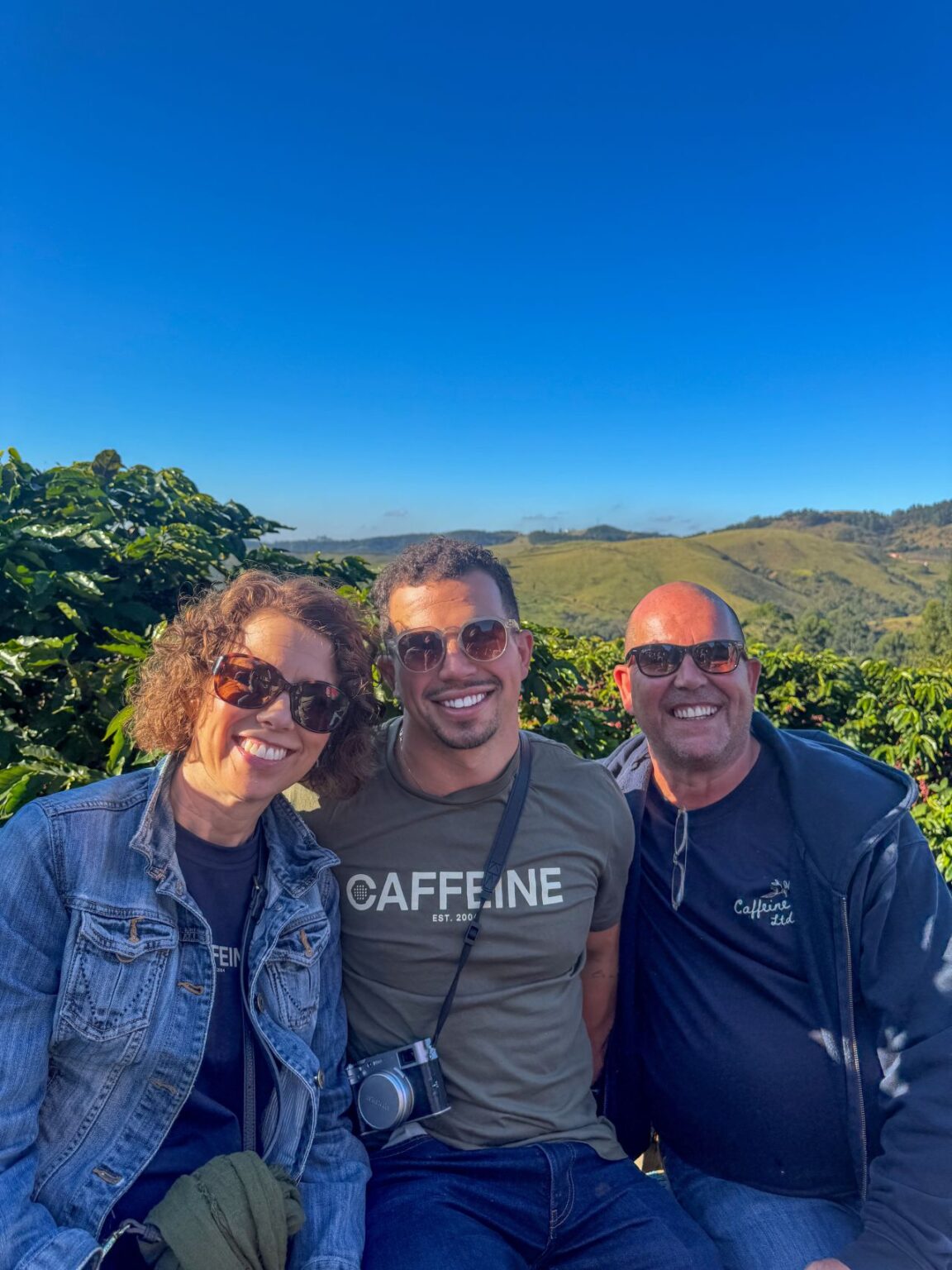
We think that’s backwards. So a year ago, we went to Brazil to find out, not from a catalogue, but on foot, on the farm, with the person who actually grows the coffee. This is what we found.
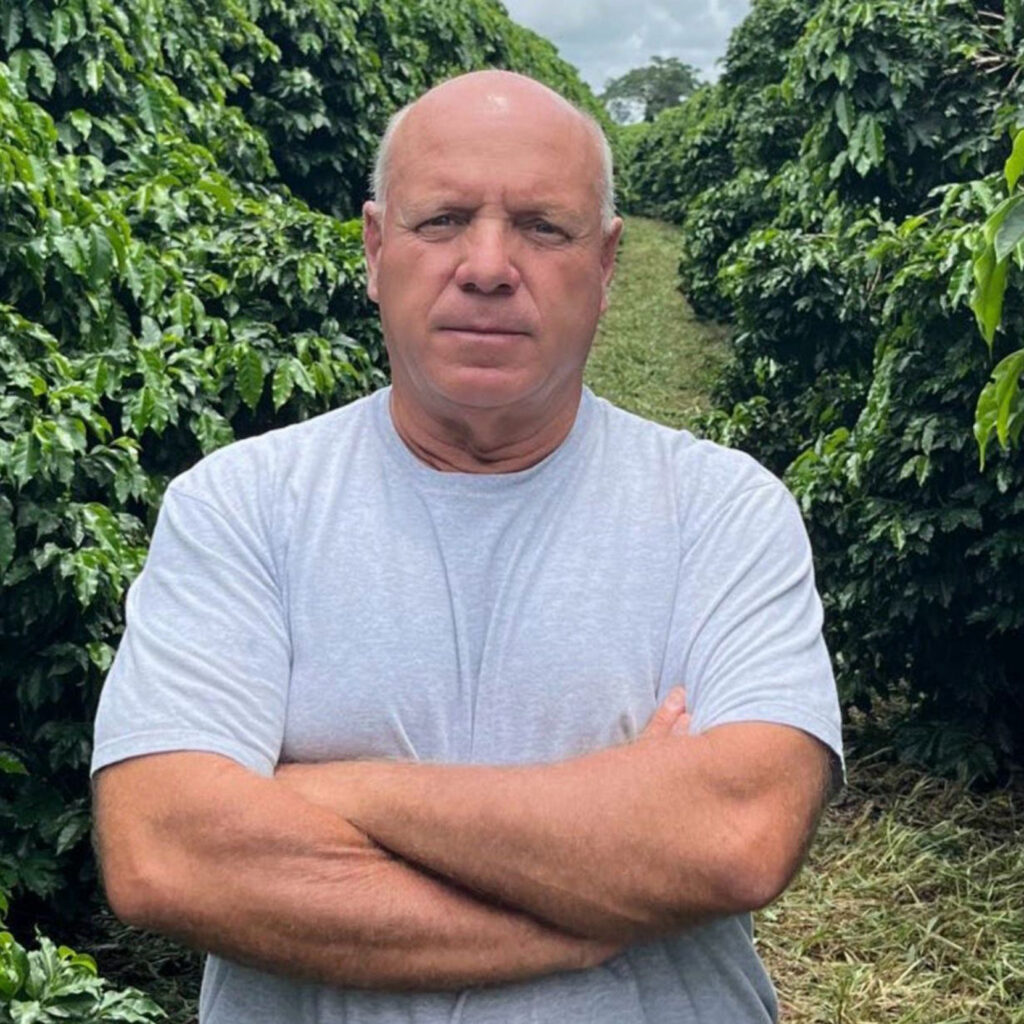
The farm is run by Fernando Afonso Junqueira. We spent time walking the land with him, not a tour, a conversation.
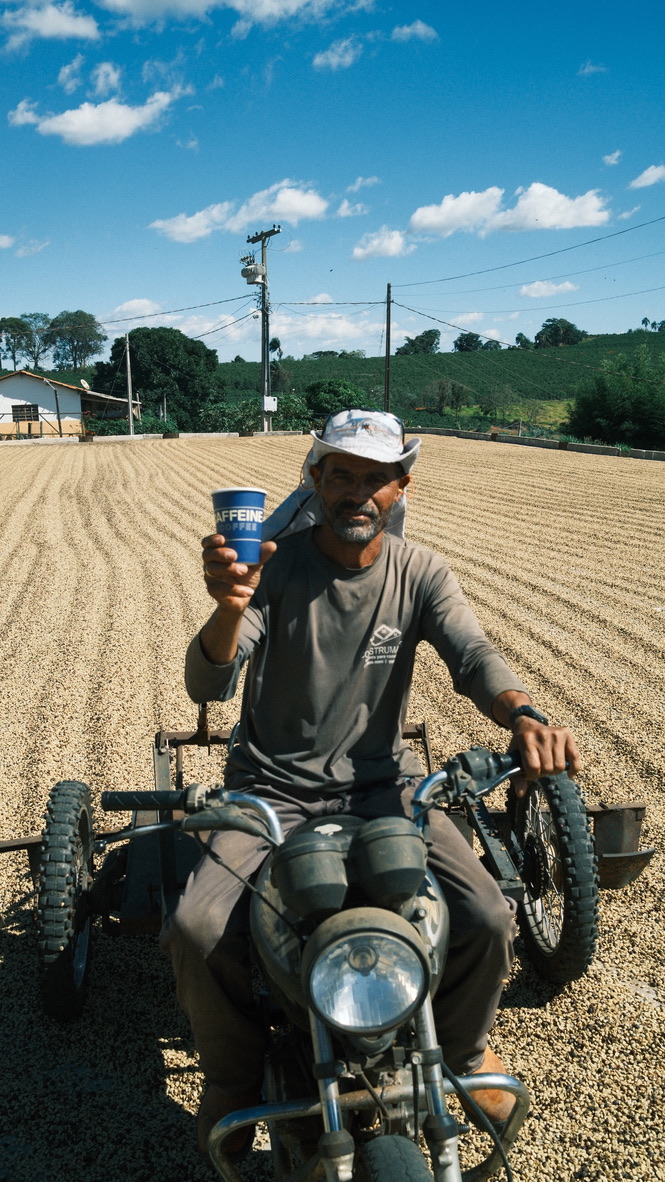
How the cherries are picked. How the drying beds are managed day by day. Why this particular plot, at this particular altitude, produces something worth putting our name on.
It’s Rainforest Alliance certified, which matters. But certification tells you what’s compliant. Time on the ground tells you what’s actually good. We wanted both.
Here’s the part most brands either skip or over-explain. Natural processing means the whole cherry – fruit and all – is dried before the bean is extracted. Simple to describe, hard to get right.
As the cherry dries, its sugars have longer contact with the bean inside. That contact is where the sweetness comes from, and the fruit complexity, and the fuller body you’ll taste in the cup.
Done badly, natural process coffee turns muddy and overripe. Done well, as it is here, it’s expressive without tipping into overpowering.
That’s the difference between a coffee that’s technically natural-processed, and one that’s well natural-processed. Most people never get told which they’re drinking.
Forget the chocolate-and-nuts profile you probably associate with Brazilian coffee. This one moves past that.
It’s balanced and elegant, and holds up across brewing methods, though we’d point you toward filter first. Espresso shows it well, but filter is where the clarity and sweetness really open up.
Micro-lot just means small batch, but small batch exists for a reason. It lets a producer isolate their best material and process it with more attention than volume would allow.
The trade-off is availability. There’s a finite amount of this. Once it’s sold, it’s gone until the next harvest gives us something worth bringing over, and that’s not guaranteed to look the same.
We could buy Brazilian coffee from a broker and never leave the office. Plenty of roasters do exactly that. We don’t, because the story you can tell with a name and a number is a different product to the one you can’t. Fernando’s name is on this coffee because he grew it. The altitude is on the bag because it shapes the cup. None of it is decoration, it’s the reason the coffee tastes the way it does.

200g Beans
upto 1700 MASL
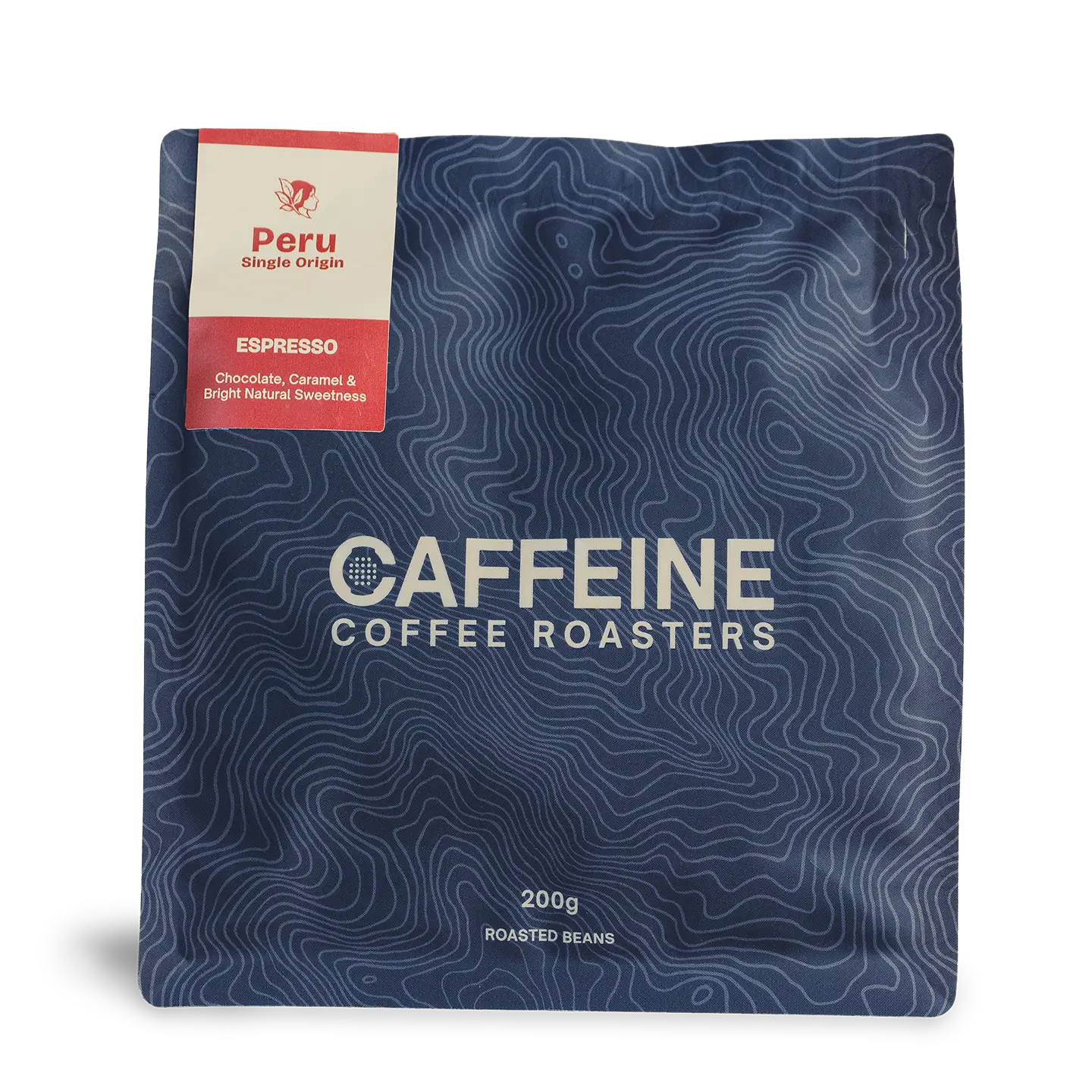
Chocolate, Caramel & Bright Natural Sweetness